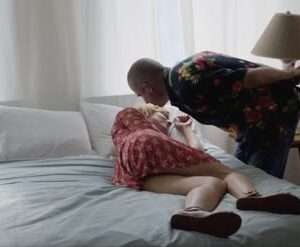
House on the Edge of the Park (1980) stands as one of the most unsettling entries in the exploitation genre. Ruggero Deodato shapes the story like a slow-burning fuse, letting dread gather in every shadow. The film follows Alex and Ricky, two outsiders whose arrival at a wealthy late-night gathering twists the party from playful sophistication into a claustrophobic nightmare. David Hess delivers a performance that crackles with menace, turning each scene into a psychological battlefield.

The film’s tension grows not from jump scares but from the uneasy dance of control. Deodato crafts an atmosphere where every moment feels like a tightrope walk over danger. Power shifts rapidly between captors and victims, revealing the fragile layers beneath privilege and bravado. The wealthy guests, accustomed to comfort, find themselves stripped of their certainty as Alex begins his cruel game.
What makes the narrative compelling is its exploration of class resentment and dominance. Beneath the violent surface lies a story about people confronting the darkest parts of human behavior when survival becomes the only rule. The brutality is difficult to watch, yet it feeds into the film’s overarching message about fear, shame, and the razor edge of desperation.

Despite its controversial reputation, the movie offers more than shock value. It examines how cruelty is fueled by insecurity and how revenge can grow from buried social tension. The film’s raw energy and unflinching approach cemented its cult status, making it a title that continues to stir conversation decades after its release.