Más pena que gloria (2001) drifts into the delicate twilight where teenage longing meets the unspoken chaos of growing up. The film follows David, an awkward student whose heart ricochets whenever Gloria enters the room. His world becomes a small orbit around her, fueled by clumsy hope and a naïve belief that affection alone can bend reality.
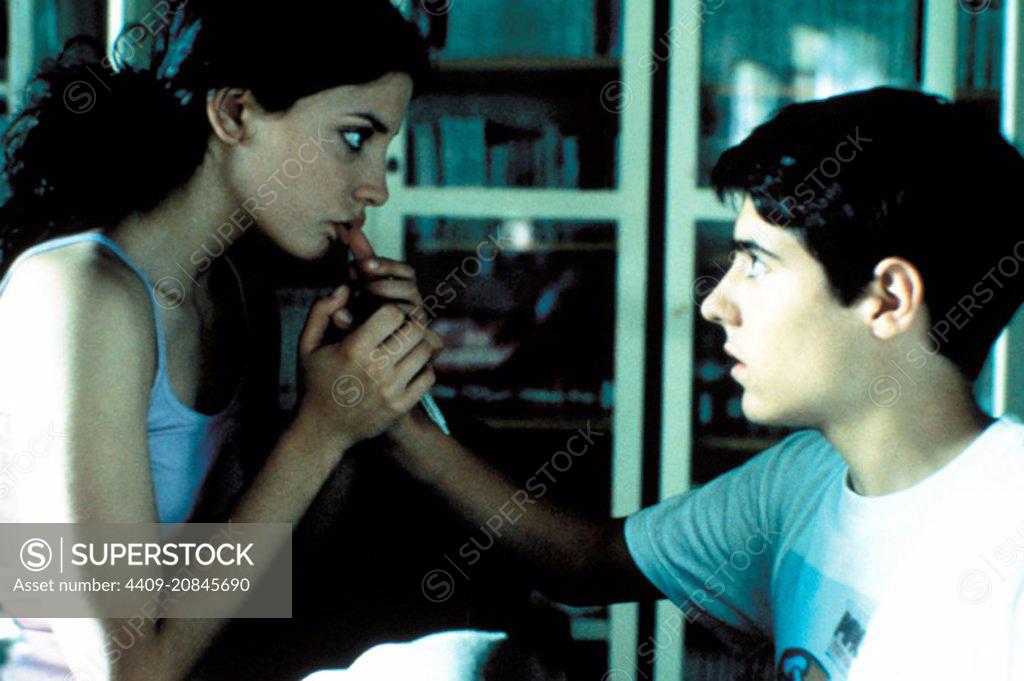
As David tries to win Gloria’s attention, each attempt unravels like threads snagging on the sharp edges of adolescence. His efforts don’t just fail; they twist into moments that sting with sincerity, the kind that teenagers carry like invisible bruises. The film captures these stumbles with a gentle honesty, never mocking him, only illuminating how innocence can accidentally turn into self-sabotage.
The story paints school life as a buzzing ecosystem of egos, insecurities and tiny triumphs. David’s journey mirrors the emotional turbulence most people quietly survive in their youth. The narrative doesn’t rush; it lets the small, awkward silences do the talking. In those pauses, the film finds its charm.
Más pena que gloria works because it embraces imperfection. It doesn’t try to glamorize young love or offer grand revelations. Instead, it delivers a slice of reality, a reminder that first crushes often bloom into lessons rather than romances. The cinematography and performances reinforce this grounded tone, giving the film a warm, nostalgic glow.