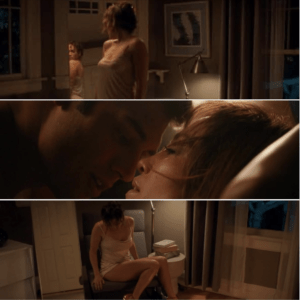
The Garden (Záhrada) from 1995 unfolds like a quiet daydream, drifting between reality and gentle surrealism. The story follows a disillusioned thirty-something teacher who, after a painful rift with his father, retreats to a neglected house hidden in the family garden. What begins as a simple escape slowly transforms into a journey of self-reflection wrapped in poetic strangeness.

The film’s narrative moves with a soft, unhurried rhythm. As the protagonist settles into the decaying space, life begins to bloom around him in unexpected ways. A captivating neighbour appears, philosophers wander through like visitors from another realm, and memories resurface through encounters with past lovers. Each visitor feels like a symbolic whisper, nudging him toward clarity and emotional renewal.

What stands out most is the film’s calm, almost meditative tone. Scenes unfold with a sense of quiet magic, allowing the viewer to sink into the symbolic layers. The garden becomes more than a physical place—it turns into a living reflection of the character’s inner world, wild in some corners and healing in others. This delicate blend of realism and spiritual curiosity gives the film its distinctive charm.

The performances carry a natural warmth that pairs beautifully with the film’s understated humour and philosophical touches. There is a gentle playfulness in how characters interact, adding lightness to the deeper themes of life, purpose, and connection. The result is a story that feels grounded yet slightly enchanted, like a moment of clarity found in the middle of a peaceful afternoon.
The Garden is perfect for viewers who appreciate slow, contemplative cinema filled with symbolism, emotional exploration, and quiet beauty. It invites audiences to sit with their own thoughts while watching a man rediscover meaning through unexpected encounters.