Douze mille (2019) is an intimate and quietly powerful drama that explores survival, dignity, and the fragile nature of human connection. The film begins when Frank loses his job, forcing him to leave behind his partner, Maroussia. Bound by a promise to return only after earning EUR12,000, he sets out on a journey that tests his resilience, identity, and sense of purpose.

Frank’s struggle becomes the emotional core of the film. His quest to gather the agreed sum leads him through unfamiliar towns, unstable work, and morally complex situations. Each step reveals how easily life can unravel when financial stability disappears. The film portrays this reality without exaggeration, focusing instead on small, grounded moments that reflect the harshness of economic uncertainty.
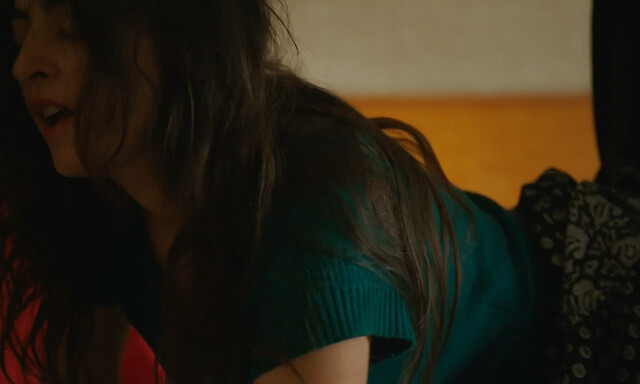
The relationship between Frank and Maroussia adds depth to the narrative. Their separation is not just physical—it challenges their trust, hopes, and expectations. As time passes, the question grows heavier: can love endure under such pressure, or will circumstances quietly reshape who they are? This tension gives the story an emotional honesty that resonates long after the film ends.

Visually, Douze mille adopts a minimalist, almost documentary-like style. Natural lighting, quiet scenes, and unfiltered environments emphasize realism. The camera follows Frank with a patient, observant eye, allowing viewers to experience the world exactly as he does—raw, unpredictable, and often indifferent.
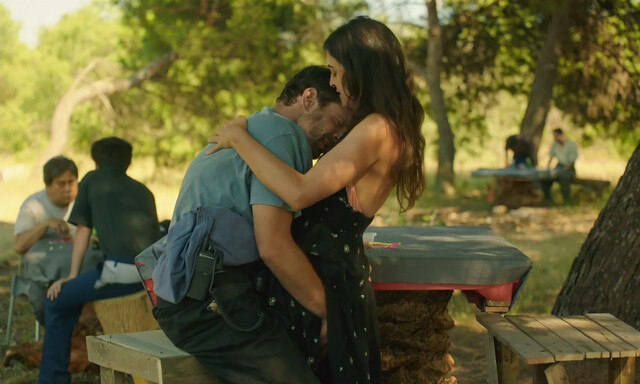
The film’s strength lies in its simplicity. It doesn’t rely on dramatic twists or stylized storytelling. Instead, it focuses on the everyday challenges faced by those pushed to the margins. Through Frank’s journey, Douze mille highlights the emotional cost of economic struggle and the sacrifices people make in pursuit of a better future.