The Lobster (2015) is a striking dystopian black comedy that examines how society shapes our understanding of love and partnership. Directed by Yorgos Lanthimos, the film presents a surreal future in which single individuals are required to stay at a hotel and find a romantic partner within 45 days. Failure to do so results in transformation into an animal of their choosing, a concept that blends absurdity with unsettling truth.
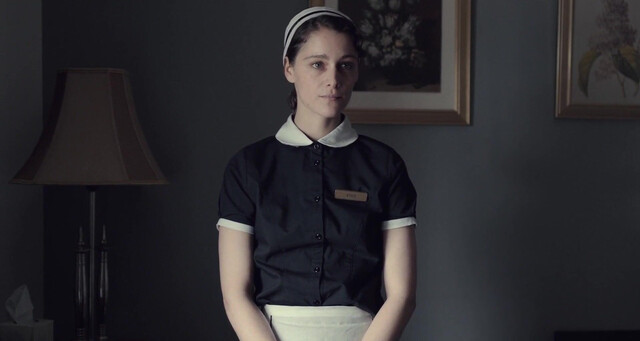
At the center of the story is David, played with quiet brilliance by Colin Farrell. After his wife leaves him, he enters the hotel and chooses a lobster as the creature he would become. His journey begins with attempts to fit into the hotel’s rigid and often bizarre rules, highlighting the pressure to conform and the emotional cost of forced relationships.
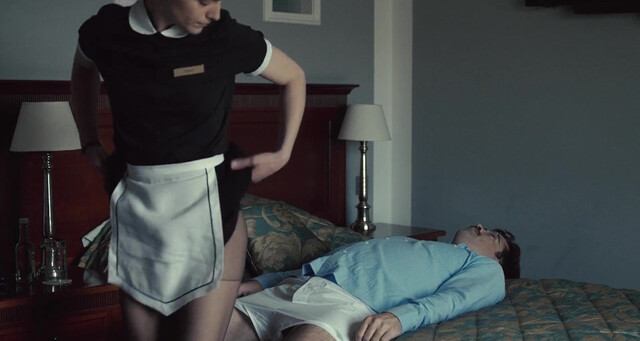
The film shifts tone when David escapes to the forest, encountering the Loners, a group that imposes the opposite extreme: absolute rejection of romantic connection. This contrast creates a thought-provoking exploration of two equally oppressive systems, each limiting human freedom in different ways. David’s eventual bond with a fellow Loner reveals the film’s deeper message about the natural unpredictability of love.
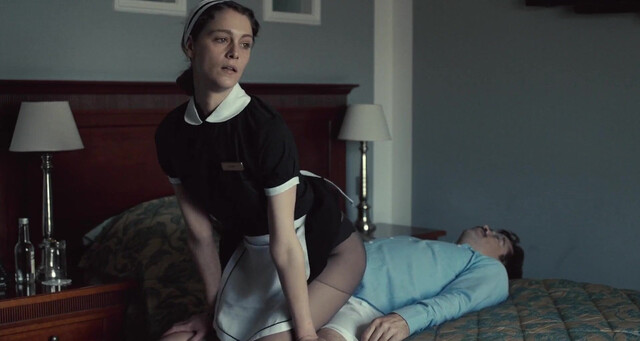
The Lobster stands out for its deadpan humor, haunting atmosphere, and unconventional storytelling. Lanthimos creates a world that feels strange yet familiar, reflecting real anxieties about social expectations, loneliness, and the search for meaning. The film’s minimalist dialogue and deliberate pacing enhance its unsettling charm, making every moment feel intentional and symbolic.

This film resonates with viewers who appreciate dark humor and philosophical themes. It challenges traditional narratives about relationships, encouraging audiences to question what it truly means to connect with someone. The Lobster remains one of the most memorable and original works of its genre, blending satire, romance, and dystopia into a uniquely compelling experience.