My Life Without Me (2003), directed by Isabel Coixet and based on Nanci Kincaid’s short story, is a quietly devastating yet deeply life-affirming drama about mortality, love, and the legacy we leave behind. At its heart is Ann (Sarah Polley), a 23-year-old wife and mother of two, living in a modest trailer with her devoted husband Don (Scott Speedman). She works nights as a janitor at a university, navigating a life of quiet routine and quiet love.
Ann’s world shifts dramatically when she is diagnosed with terminal ovarian cancer and given just a few months to live. Choosing not to tell her family, Ann keeps her diagnosis a secret—a quiet act of protection for those she loves. Instead of succumbing to despair, she makes a list: things to do before she dies. Some are practical—like finding a new partner for Don—while others are personal, tender, and emotionally complex.
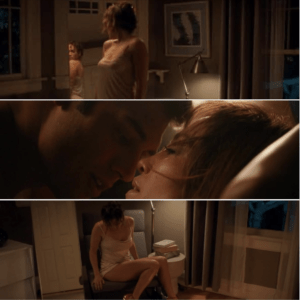
Among her choices is to explore a side of herself she’s never known, entering into a gentle, bittersweet affair with Lee (Mark Ruffalo), a lonely man who offers her a taste of romantic possibility outside of the life she’s always known.
What makes My Life Without Me remarkable is its restraint. Rather than dwelling in melodrama, the film unfolds with emotional subtlety and grace, focusing not on death, but on how one might choose to live in its shadow. Sarah Polley gives a luminous, quietly powerful performance, capturing Ann’s strength, vulnerability, and fierce love for her children without ever straying into sentimentality.
With its minimalist aesthetic, poetic tone, and unwavering emotional honesty, My Life Without Me offers a profoundly moving meditation on life, loss, and the courage it takes to let go with dignity. It’s a film that asks what truly matters—and answers with gentleness, compassion, and grace.