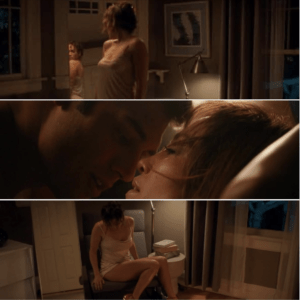
“Slezhka” (2023) is a gripping psychological thriller that transforms the act of watching into a source of relentless tension and moral unease. Cold, precise, and deeply unsettling, the film explores how surveillance blurs the line between protection and violation.
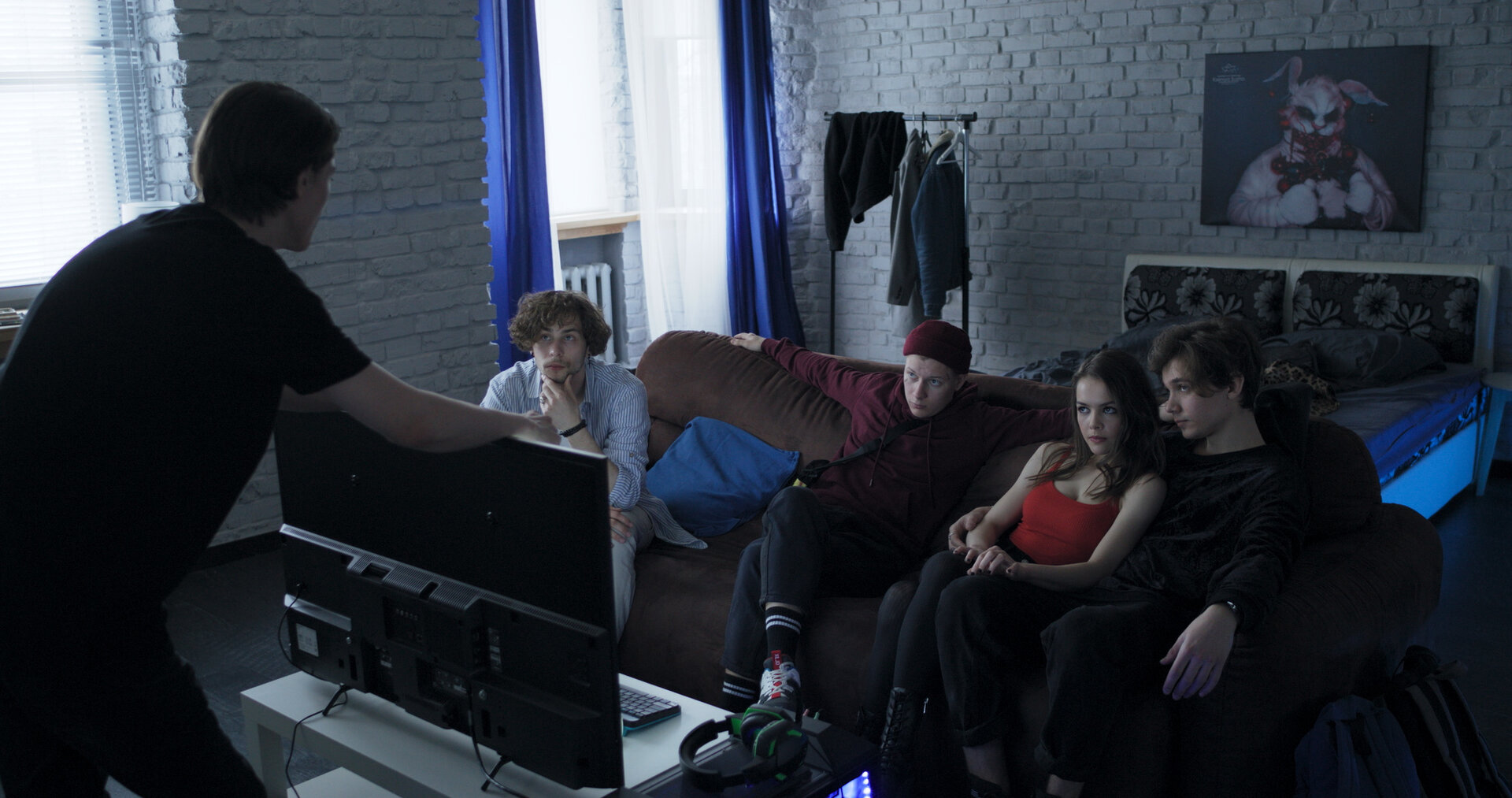
What makes Slezhka so compelling is its slow-burn approach. Rather than relying on constant action, the film builds dread through observation—lingering shots, fragmented information, and the quiet paranoia of being seen. The central performance is controlled and introspective, capturing a mind gradually consumed by suspicion and obsession.
The visual style is stark and restrained, dominated by muted colors and claustrophobic framing that mirrors the characters’ shrinking sense of freedom. Sound design plays a crucial role, amplifying everyday noises into signals of threat. Each scene feels measured, deliberate, and heavy with implication.
At its core, Slezhka is a meditation on power and accountability. It questions who has the right to watch, who decides what is dangerous, and how easily surveillance can become an instrument of control. The film offers no easy answers, only lingering discomfort.

Dark, intelligent, and unnervingly relevant, “Slezhka” (2023) is a chilling reflection of a world where privacy is fragile and suspicion is always watching back.