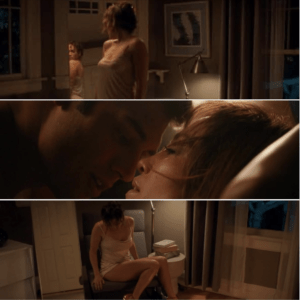
“House of Cards” (2013) is a darkly elegant political drama that exposes power not as a noble pursuit, but as a ruthless game of manipulation, ambition, and survival. Cold, calculated, and relentlessly gripping, the series pulls back the curtain on democracy to reveal the machinery of control beneath.

At its core is a mesmerizing central performance that defines the show’s tone—precise, intimidating, and disturbingly charismatic. The characters operate in a world where loyalty is temporary and morality is expendable, and every whispered conversation carries the threat of betrayal. The famous direct addresses to the audience transform viewers into accomplices, heightening the show’s unsettling intimacy.
Visually sleek and meticulously paced, House of Cards thrives on atmosphere: dim corridors, polished surfaces, and carefully framed power dynamics. The writing is sharp and cynical, capturing the transactional nature of politics with brutal clarity.

Beyond its intrigue, the series raises haunting questions about ambition and corruption. It suggests that power does not reveal character—it amplifies it, rewarding those most willing to sacrifice principle for control.
Intelligent, chilling, and endlessly compelling, “House of Cards” (2013) is a masterclass in prestige television—an unsettling portrait of how far people will go when power becomes the only truth that matters.