“Buddenbrooks” (2008) is a stately and emotionally resonant adaptation of Thomas Mann’s classic novel, capturing the quiet tragedy of a family’s rise and gradual decline across generations. Elegant and restrained, the film transforms personal choices and social pressures into a sweeping portrait of time, tradition, and loss.
![Buddenbrooks (2008) DEUTSCH TRAILER [HD 1080p]](https://i.ytimg.com/vi/3q0_cMb6zsY/hq720.jpg?sqp=-oaymwEhCK4FEIIDSFryq4qpAxMIARUAAAAAGAElAADIQj0AgKJD&rs=AOn4CLAA6JMmKYKFf93iLNZMZKPzwx27FQ)
What gives the film its depth is its attention to character. Each member of the Buddenbrook family embodies a different response to duty, ambition, and change. The performances are measured and dignified, allowing inner conflict to surface subtly—through silence, posture, and restrained dialogue rather than dramatic outbursts.
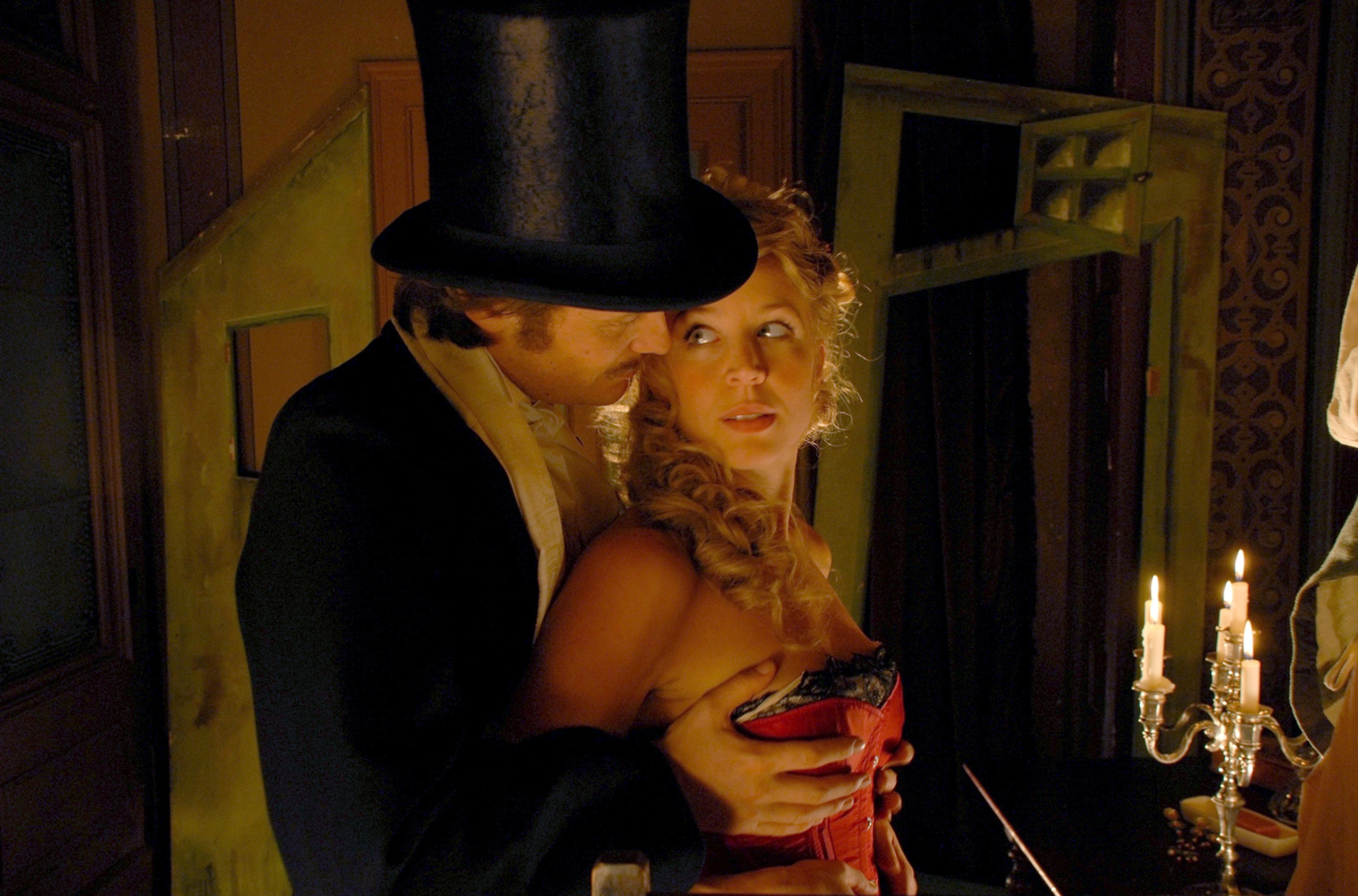
Visually, the film is beautifully composed, with period detail that feels authentic rather than ornamental. The muted palette and deliberate pacing reinforce the sense of inevitability that hangs over the story, as wealth and status slowly erode under the weight of modernity and personal sacrifice.
At its heart, Buddenbrooks is not simply about a family, but about the cost of tradition. It asks whether preserving legacy is worth the emotional price paid by those who inherit it. The film’s melancholy tone lingers, echoing the sadness of dreams postponed and lives lived according to expectation rather than desire.
Thoughtful, dignified, and deeply human, “Buddenbrooks” (2008) is a timeless meditation on family, duty, and the slow passage of decline—quietly powerful and profoundly moving.