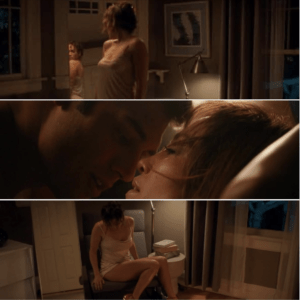
“Blindspot” (2023) is a tense and introspective drama that explores the unseen fractures beneath everyday life—those emotional, moral, and psychological blind spots we often refuse to acknowledge. Quietly gripping and emotionally charged, the film builds its power not through spectacle, but through restraint and psychological precision.

What makes Blindspot so effective is its focus on perspective. The story unfolds gradually, inviting the audience to question what is being shown, what is being hidden, and why. Characters are layered and deeply human, shaped by fear, denial, and unresolved trauma. Performances are subtle yet impactful, allowing small gestures and silences to carry significant emotional weight.
The film’s atmosphere is cold and controlled, reinforcing a sense of unease that lingers throughout. The direction favors intimacy over distance, drawing viewers closer to the characters’ inner conflicts. As truths surface, the narrative challenges assumptions about guilt, responsibility, and perception—reminding us that what we fail to see can be just as dangerous as what we confront.

Rather than offering easy answers, Blindspot leaves room for reflection. It is a film that trusts its audience, rewarding patience with emotional depth and moral complexity.
Quiet, unsettling, and sharply observed, “Blindspot” (2023) is a haunting reminder that our greatest vulnerabilities often lie in what we choose not to see.