“Mozart Mozart” (2025) is a bold, imaginative re-interpretation of genius, identity, and legacy—one that refuses to treat Mozart as a distant monument and instead presents him as a living, breathing contradiction. The film plays like a dialogue between myth and man, music and madness, brilliance and vulnerability.
Rather than offering a conventional biopic, Mozart Mozart leans into emotional truth and creative freedom. It captures the restless energy of a mind too vast for its time, where inspiration flows as wildly as self-doubt. The film’s greatest strength lies in its ability to humanize genius, revealing a figure driven by joy, obsession, defiance, and a desperate hunger to be heard.
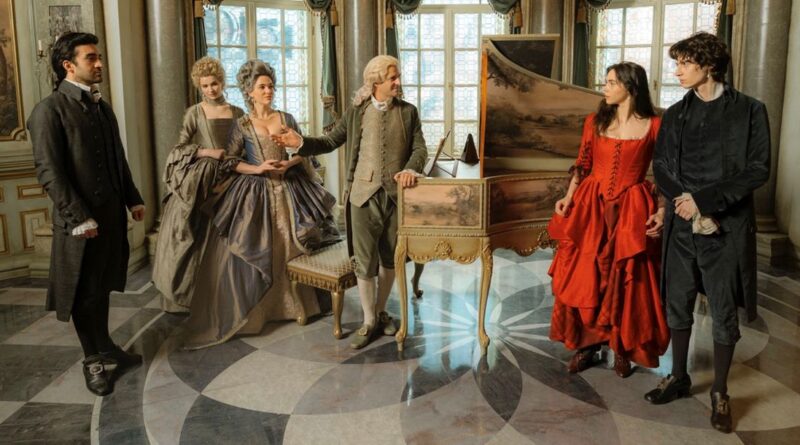
Visually rich and rhythmically edited, the film mirrors Mozart’s music itself—playful one moment, devastatingly intense the next. The sound design and score are woven seamlessly into the narrative, allowing music to function not as background, but as emotional language. Performances feel alive and expressive, striking a delicate balance between theatrical flair and raw intimacy.
Beyond artistry, the film explores timeless questions: What does it cost to create? Can brilliance survive expectation? “Mozart Mozart” suggests that genius is not serenity, but combustion—a beautiful chaos that burns fast and bright.
Daring, emotional, and creatively fearless, “Mozart Mozart” (2025) is not just a film about Mozart—it is a film that thinks like Mozart. An unforgettable experience for lovers of music, art, and stories that dare to break their own rules.