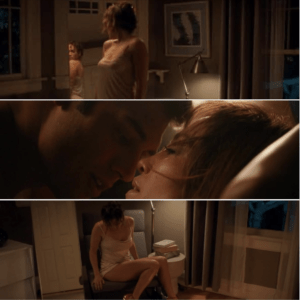
“Tatort” (2016) stands as a powerful example of European crime drama—intelligent, restrained, and deeply rooted in social realism. Rather than chasing spectacle, the series (and its 2016 entries in particular) focuses on the human cost of crime, turning each case into a mirror of contemporary society.
What distinguishes Tatort is its character-driven storytelling. The investigators are complex, often conflicted individuals whose personal flaws subtly shape their methods and judgments. The crimes are not puzzles to be solved for entertainment alone, but moral wounds that expose class tension, corruption, and social alienation.

The direction favors atmosphere over action: muted color palettes, deliberate pacing, and moments of silence that allow tension to breathe. Performances are consistently strong, lending authenticity to both the police work and the emotional fallout surrounding each case.
Many 2016 episodes feel especially sharp in their thematic ambition, tackling modern anxieties with nuance and intelligence. Justice in Tatort is rarely clean or comforting, and resolutions often leave lingering questions rather than easy closure.
Gritty, thoughtful, and emotionally grounded, “Tatort” (2016) is crime television at its most mature—challenging viewers not just to follow the mystery, but to confront the society that creates it.