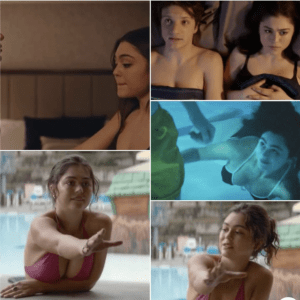
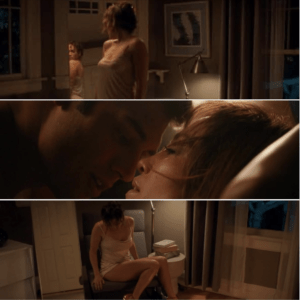
“The Other End” (2016) is a gentle, introspective drama that finds profound meaning in life’s smallest moments. Rather than relying on grand plot twists, the film draws its strength from subtle emotions, quiet conversations, and the silent spaces where loss, hope, and connection intersect.
The story follows characters standing at emotional crossroads—caught between what has been lost and what might still be possible. It is a film about endings that are also beginnings, about learning to let go while remaining open to change. The narrative unfolds with patience, allowing the audience to breathe alongside the characters as they confront grief, uncertainty, and longing.

Performances are understated and deeply sincere. Each actor brings a natural vulnerability that makes the characters feel lived-in and real. No emotion is overstated; every feeling is earned, which gives the film its quiet power. The dialogue is sparse but meaningful, often allowing silence to speak louder than words.
Visually, The Other End is restrained and poetic. Soft lighting, intimate framing, and unhurried pacing create an atmosphere of contemplation. The film’s tone is calm, yet emotionally resonant—inviting viewers to reflect on their own experiences of loss and renewal.
What makes the film linger is its emotional honesty. It reminds us that closure doesn’t arrive in dramatic moments, but in acceptance, compassion, and the courage to move forward. There is no easy resolution—only the promise of growth.

Quiet, tender, and deeply human, “The Other End” is a film that whispers rather than shouts—and in doing so, leaves a lasting emotional echo.