“Son de Mar” (2001) is a hauntingly sensual Mediterranean love story, where passion crashes like waves against the shore and obsession refuses to fade with time. Directed by Bigas Luna, the film unfolds as a fever dream—romantic, tragic, and drenched in desire—set against the sunlit beauty and restless violence of the sea.

At the center of the story is the intense, almost mythic romance between Ulises, a tormented literature teacher, and Martina, a young woman caught between devotion and survival. Jordi Mollà delivers a raw, volatile performance, portraying a man consumed by love to the point of self-destruction. Leonor Watling brings luminous vulnerability to Martina, whose longing for stability collides with a love that is too powerful to escape.
The sea is not merely a backdrop—it is the film’s soul. Its rhythms mirror the characters’ emotions: seductive, unpredictable, and merciless. Bigas Luna’s visual language is rich with symbolism—water, bodies, decay, and rebirth—creating an atmosphere where reality blurs with dream and memory.
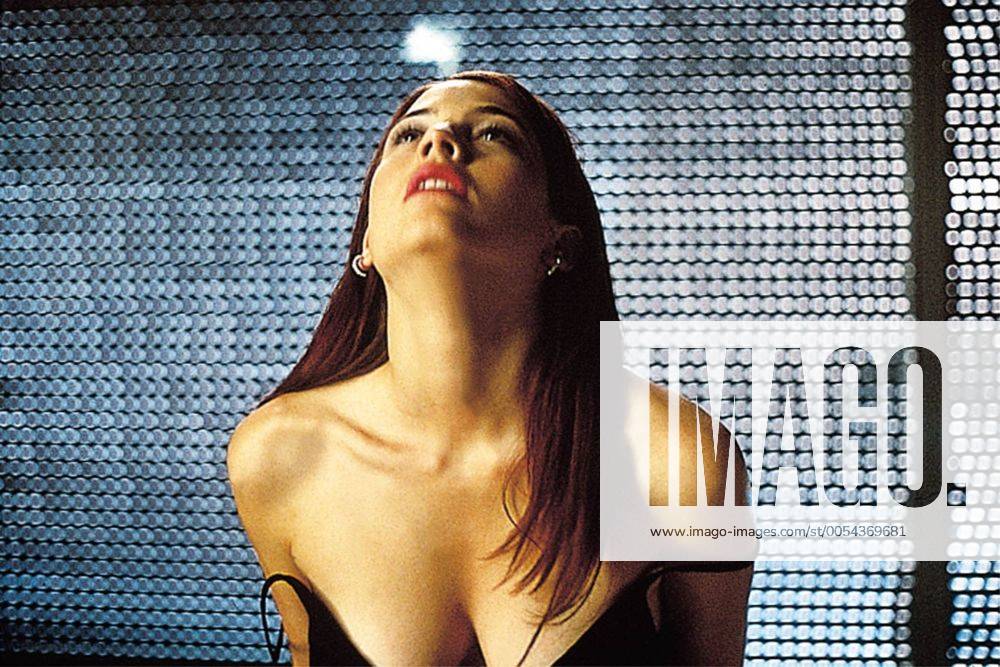
What sets Son de Mar apart is its unapologetic intensity. The film does not seek comfort or moral clarity; instead, it explores love as an elemental force—beautiful, destructive, and eternal. It asks whether passion can ever truly die, or if it simply waits beneath the surface, ready to return.
Visually hypnotic and emotionally daring, “Son de Mar” is a tragic romance that lingers like salt on skin—impossible to forget and impossible to escape. It is a film for those who believe love can be as dangerous as it is intoxicating.