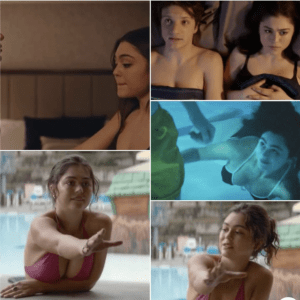
“On Becoming a God in Central Florida” (2019) is a darkly funny, sharply written satire about the American dream gone completely off the rails. Set in the early ’90s, the series follows Krystal Stubbs—played with fierce brilliance by Kirsten Dunst—as she claws her way through a pyramid scheme empire that promises wealth, freedom, and happiness, while crushing anyone who dares to believe in it.
What makes the show so addictive is its tone: a mix of absurd comedy, heartbreaking realism, and razor-sharp social commentary. Krystal is not a typical TV heroine. She’s a struggling working-class mother who refuses to be a victim, navigating a world built on exploitation with grit, charm, and a wicked smile. Dunst captures every shade of her desperation and ambition, turning a hopeless situation into a strange, empowering journey.
The series exposes the seductive cruelty of multi-level marketing—how it preys on insecurity, weaponizes motivation, and transforms neighbors into competitors. The supporting cast is wonderfully bizarre, especially Theodore Pellerin as the devoted, delusional believer trapped in a cult disguised as entrepreneurship.
Visually, the show embraces the kitsch and pastel nostalgia of Florida’s working-class suburbs, but beneath the retro aesthetic lies a razor: this is a story about the fantasy of success and the brutal reality of capitalism. The humor works because it’s grounded in truth—every exaggerated moment reflects something painfully real.
“On Becoming a God in Central Florida” is bold and unforgettable, a satire that laughs loudly while cutting deep. It’s a show about survival, manipulation, and the terrifying power of belief—one woman’s fight to turn a scam into her own revolution.