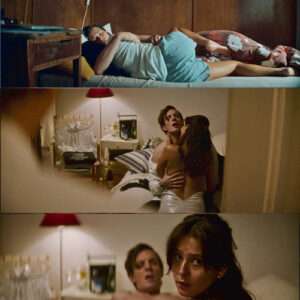
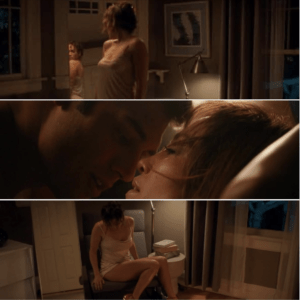
“Stolen” (2009) is a moody, slow-burning thriller that turns grief into investigation and transforms a missing child case into a haunting meditation on time, trauma, and the limits of truth. Rather than chasing cheap shocks, the film patiently unravels its mystery through parallel timelines—one rooted in the 1950s, the other in the present—allowing the audience to feel not only what happened, but what was lost along the way.

Josh Lucas delivers a restrained and emotionally charged performance as a father who refuses to let the past bury itself, even as the world around him has already moved on. His pain becomes a driving force in the narrative, and the story’s tension comes not from action, but from the quiet desperation of a man searching for a ghost.
The film’s atmosphere is heavy with memory—dusty photographs, forgotten case files, and landscapes that seem frozen in time. The muted color palette and somber score create an almost dreamlike melancholy, as if the story unfolds inside the mind of someone who can’t let go. In the second timeline, Jon Hamm offers a compelling counterpoint as the detective who first chased the mystery decades earlier, showing how obsession can shape a life, even long after a case goes cold.
“Stolen” is less about solving a crime and more about confronting the emotional wreckage it leaves behind—families broken, lives reshaped, and wounds that never truly heal. Its narrative rewards patience: the deeper you go, the more it reveals about how memory works, and how truth—no matter how painful—is the only path to closure.

In the end, the film lingers because it refuses to sensationalize its subject. It treats loss with dignity, mystery with restraint, and storytelling with a quiet confidence, offering a thriller that feels intimate rather than explosive.