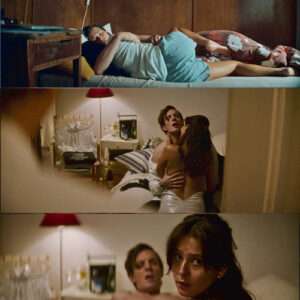
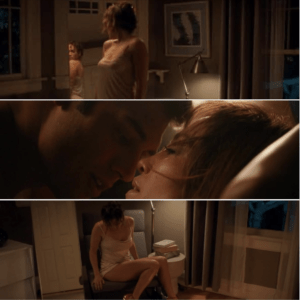
“Dark Was the Night (2018)” is a haunting, slow-burning drama that explores grief, guilt, and the unraveling of a family with an emotional intensity that lingers long after the final scene. Directed with restraint and quiet power, the film isn’t about jump scares or supernatural twists—it is about the shadows that trauma casts over the human heart.

The story centers on Nick Stahl, delivering one of his most nuanced performances as a father shaken by unimaginable tragedy. His character’s descent into emotional turmoil is portrayed with heartbreaking authenticity, capturing the suffocating weight of loss and the desperate need for redemption. Opposite him, Kasha Kropinski gives a beautifully fragile yet resilient performance as a woman trying to hold on to what little light remains in their fractured world.
What makes Dark Was the Night so compelling is its understated storytelling. Instead of dramatizing grief, it lets silence, broken conversations, and lingering glances tell the story. The cinematography enhances this mood perfectly—muted colors, empty spaces, and quiet rural landscapes mirror the emotional emptiness the characters feel inside.
The film’s strength lies in how it examines the fine line between coping and collapsing. It shows how trauma can distort relationships, blur moral boundaries, and test the limits of forgiveness. As the characters seek closure, the narrative builds toward a cathartic but emotionally raw conclusion that feels both painful and human.

This is a film that understands the complexity of sorrow, offering a meditation on loss that is honest, intimate, and unafraid to sit in the darkness. For viewers who appreciate character-driven stories with emotional depth, Dark Was the Night (2018) stands out as a deeply affecting and quietly powerful cinematic experience.
https://www.youtube.com/watch?v=QF-7h9LBsuE